One of the most impactful actions we can take as individuals to fight climate change is to reduce food waste. Globally, the United Nations estimates that approximately one-third of all food produced for human consumption is lost or wasted. At the same time, food loss and waste generates nearly eight percent of global greenhouse emissions. Source: EPA
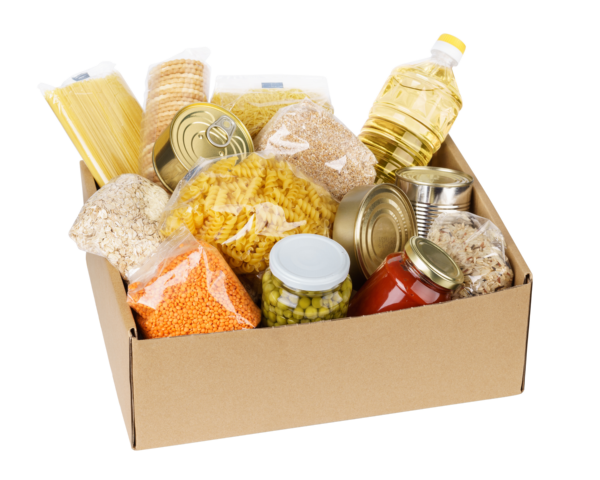
In order to reduce greenhouse gas emissions, California has enacted state law SB 1383, which required businesses and other commercial entities to donate edible food to feed hungry people. Instead unsold grocery store sandwiches molding in the compost bin, or perfectly edible fruits and vegetables going to a pig farm, these important resources are now diverted for their best and highest use: feeding hungry people.
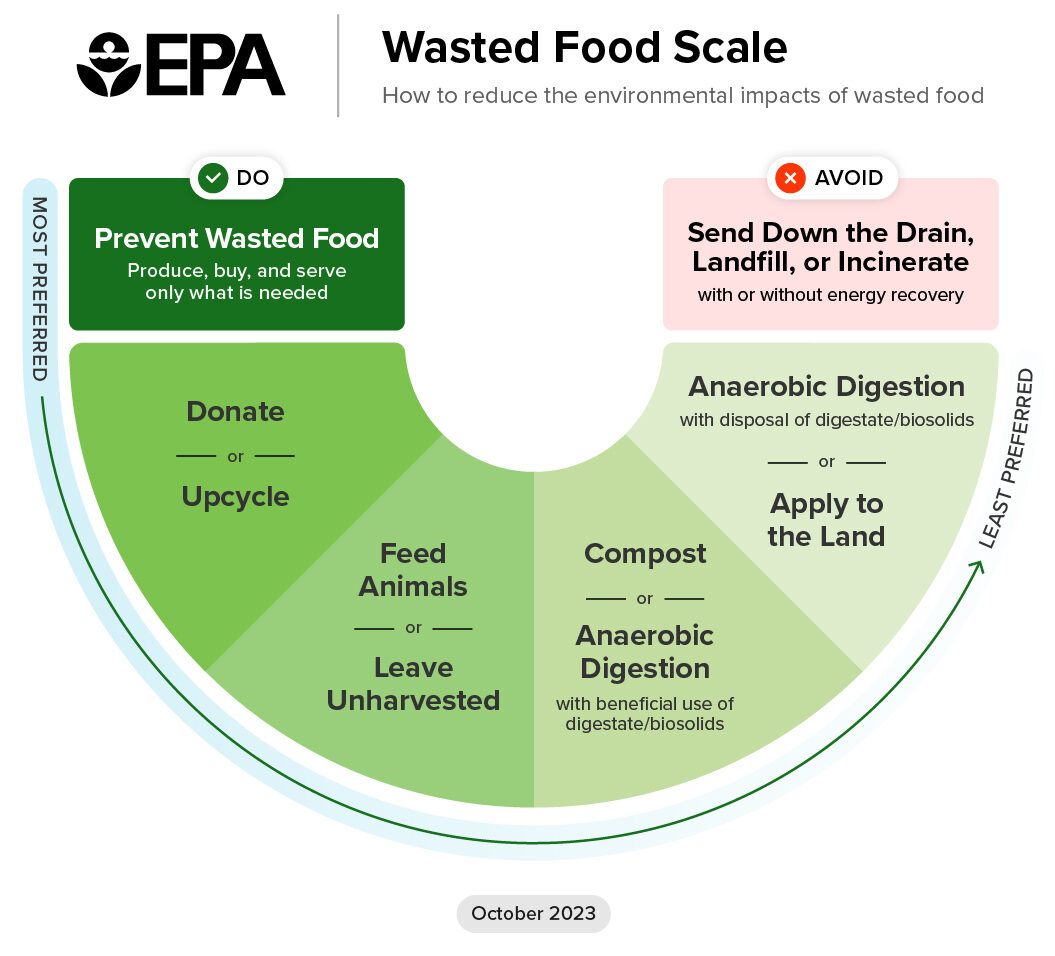
The EPA's Wasted Food Scale prioritizes actions that prevent and divert wasted food from disposal.
To find out if your business is required to donate excess edible food under SB 1383, please visit our SB 1383 page.
ZWS has purchased a license with Careit for a food donation software, which helps connect food donors with food recipient/distribution organizations. The software makes it easy for restaurants, grocery stores, schools, and other food donors to post surplus food, and nearby non-profit organizations are notified of the food available for pick up. Sign up to donate or receive food at https://careitapp.com/
Yes! Federal and state civil criminal liability protections are in place for food donors and non-profit organizations that receive and distribute food donations to those in need.
California Good Samaritan Act (AB 1219) (2017)
California Code Section 114433
Federal Bill Emerson Good Samaritan Food Donation Act (1996)
Food Donation Improvement Act (2023)
Improves and expands on the liability protections from the Bill Emerson Good Samaritan Food Donation Act (1996):
Business donors are eligible for an enhanced tax deduction for donations that meet certain criteria.
Tax Deduction Criteria:

Reuse organization
 COTS
COTS
900 Hopper St
Petaluma, CA 94952
NotesDrop off: meat, dairy, deli foods, whole and prepared vegetables, canned goods, dried goods, and bread; call first.
Extra Food
907 Sir Francis Drake Blvd
Kentfield, CA 94904
NotesExtra Food recovers excess fresh food from any Bay Area business, school, hospital, garden, or farm and immediately deliver the food to nonprofit distribution partners serving our community’s most vulnerable people.
Farm to Pantry
NotesPickup: whole produce and non-prepared foods only. Coordinates gleaning at farms, home gardens, and backyard trees in northern Sonoma County.
Food for Thought
6550 Railroad Ave
Forestville, CA 95436
NotesDrop-off: whole/cut produce, meat, dairy, deli foods, bread, and commercially prepared foods still in their original packaging & other commercially prepared foods. No expired foods.
Friends in Sonoma Helping (FISH)
18330 Sonoma Hwy
Sonoma, CA 95476
NotesDrop-off: canned goods, dried goods and produce; call first.
Petaluma Bounty
NotesPickup: coordinates gleaning services in southern Sonoma County.
Redwood Empire Food Bank
3990 Brickway Blvd.
Santa Rosa, CA 95403
NotesDrop-off: canned goods, dried goods and produce. See website for instructions.
Redwood Gospel Mission Food Recovery
101 6th St
Santa Rosa, CA 95401
NotesDrop-off: canned goods, dried goods and produce; call first.
Sonoma County Food Recovery Coalition (SCFRC)
NotesDatabase of local food recovery and distribution resources. The Food Distribution Directory connects people with opportunities to donate perishable food to people in need.
Sonoma County Gleaners
Healdsburg, CA
NotesPromoting a Zero Waste Sonoma County, Sonoma County Gleaners harvest surplus produce and donate it to our neighbors in need.
SONOMA Food Runners
E Jasmine Cir
Santa Rosa, CA 95407
NotesPickup: food (all kinds) from events, farms, food producers, grocers, caterers, farmers' markets and restaurants to feed local hungry people. Tax receipts issued upon request.
St. Vincent de Paul of Sonoma County Food Donation
610 Wilson St (entrance on 7th)
Santa Rosa, CA 95401
NotesDrop-off: fresh food, dried and canned goods; call first.